Why Seoul Should Be Your Top Korea Travel Destination in 2026
Planning your Seoul travel adventure in 2026? You’ve chosen the perfect time to explore South Korea’s dynamic capital. This comprehensive Seoul travel guide 2026 will walk you through everything you need to know for an unforgettable Korea trip. Whether you’re drawn to ancient palaces, cutting-edge technology, world-class Korean BBQ, or K-pop culture, Seoul delivers an experience unlike any other Asian destination. With the Korean won offering favorable exchange rates and Seoul’s incredibly efficient public transportation system, international travelers can explore this megacity without breaking the bank. This Seoul travel guide covers the perfect South Korea itinerary, insider tips from locals, exact costs, and practical information you won’t find in generic travel blogs.
How to Get from Incheon Airport to Seoul City Center: 3 Best Options
Incheon International Airport (ICN) is located 60km west of Seoul, and getting to the city center is remarkably easy. Here are your three best options with exact costs and times:
- Airport Railroad Express (AREX): The fastest option at 43 minutes direct to Seoul Station. Express trains cost 9,500 KRW ($7 USD) and run every 30 minutes from 5:20 AM to 10:48 PM. All-stop trains take 58 minutes but only cost 4,750 KRW ($3.50 USD)
- Airport Limousine Bus: Comfortable buses go directly to major hotels and districts. Routes 6001, 6002, and 6015 serve popular areas like Myeongdong, Gangnam, and Hongdae. Cost: 16,000 KRW ($12 USD), journey time 60-90 minutes depending on traffic
- Taxi: Most expensive but convenient for groups. Regular taxis cost 60,000-80,000 KRW ($45-60 USD) to central Seoul, taking 50-70 minutes. International taxis with English-speaking drivers cost slightly more but can be pre-booked
Insider tip: Purchase a T-Money card at the airport convenience store (GS25 or CU) for 2,500 KRW plus your desired load amount. This rechargeable card works on all public transport and saves you 100-300 KRW per ride, plus the hassle of buying individual tickets.
The Perfect 7-Day South Korea Itinerary: Seoul and Beyond
This optimized itinerary balances Seoul’s highlights with a day trip, giving you the complete Korean experience:
- Day 1: Arrive at Incheon Airport, settle into your accommodation, explore your neighborhood, light evening walk in Myeongdong or Hongdae
- Day 2: Palace day – Gyeongbokgung Palace (arrive by 10 AM for changing of the guard), National Folk Museum, Bukchon Hanok Village, Insadong for traditional souvenirs, Cheonggyecheon Stream evening walk
- Day 3: Modern Seoul – Gangnam district, COEX Mall and Starfield Library, K-Star Road, Bongeunsa Temple, evening in trendy Garosugil
- Day 4: DMZ Tour (full day organized tour) – book 3-7 days in advance, costs 80,000-120,000 KRW ($60-90 USD)
- Day 5: Markets and shopping – Gwangjang Market for street food breakfast, Dongdaemun Design Plaza (DDP), Dongdaemun shopping area, evening at Namsan Seoul Tower for sunset views (cable car 11,000 KRW/$8 USD)
- Day 6: Hongdae for youth culture and street performances, Ewha Womans University area, Seodaemun Prison History Hall, evening Korean BBQ in Mapo
- Day 7: Changdeokgung Palace Secret Garden tour (reservation required, 8,000 KRW/$6 USD), Ikseon-dong Hanok Village cafes, final shopping, departure preparation
Top 10 Must-Visit Seoul Attractions with Insider Tips

These are the absolute must-see attractions with practical details for 2026:
- Gyeongbokgung Palace: Opens 9 AM, admission 3,000 KRW ($2.25 USD), free if wearing hanbok. Arrive before 10 AM for the guard changing ceremony. Pro tip: Rent hanbok across the street for 15,000-20,000 KRW for 2-4 hours and get free palace entry
- Bukchon Hanok Village: Free traditional neighborhood, best visited early morning (7-9 AM) before tour groups arrive. Respect residents – keep noise down in residential areas
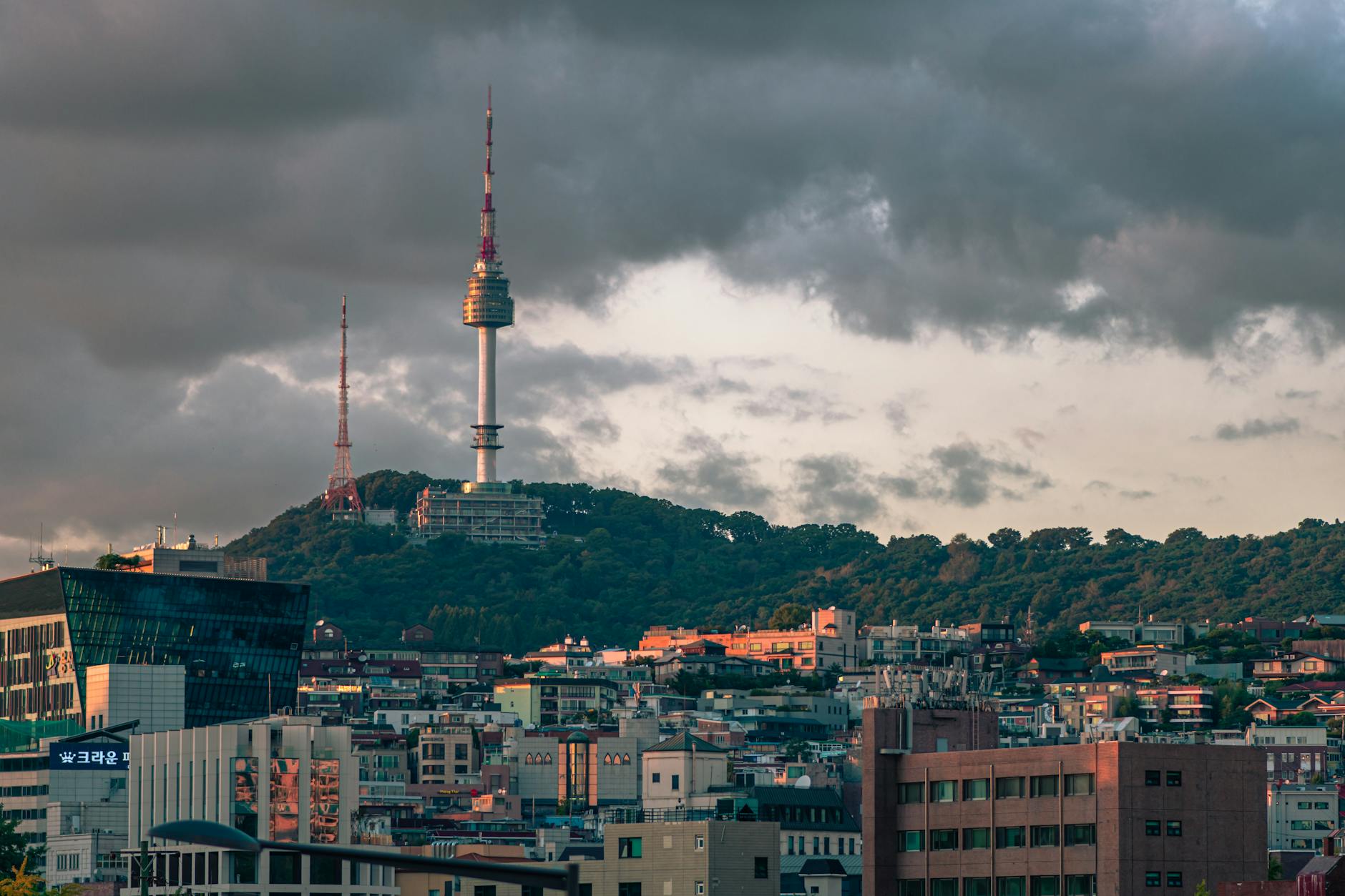
- N Seoul Tower: Observation deck 16,000 KRW ($12 USD), open 10 AM-11 PM. Skip the expensive tower restaurant and eat before coming. Cable car up, walk down through beautiful Namsan Park trails
- Myeongdong Shopping District: Best 2-8 PM for shopping, evening for street food. Kakao Friends and Line Friends stores are here. Currency exchange rates better here than at banks
- Dongdaemun Design Plaza (DDP): Free to enter, open 24 hours, looks most spectacular at night with LED rose garden. Surrounding Dongdaemun Market shopping centers open until 5 AM
- COEX Mall Starfield Library: Free, photogenic indoor library in Gangnam. Visit 10 AM-10 PM, weekday mornings least crowded
- Gwangjang Market: Opens 9 AM, best food section experience 11 AM-8 PM. Must-try: bindaetteok (mung bean pancake) 5,000 KRW, mayak gimbap 3,000 KRW, yukhoe (Korean steak tartare) 15,000 KRW
- Changdeokgung Secret Garden: Limited entry with timed tours, book online at English.cdg.go.kr weeks in advance for peak season. English tours at 11:30 AM and 1:30 PM
- Hongdae: Free street performances Friday-Sunday 2-10 PM. Best nightlife Thursday-Saturday. Underground shopping area connects to subway for rainy days
- War Memorial of Korea: Free admission, closed Mondays, open 9:30 AM-6 PM. Allow 2-3 hours. One of the world’s best military museums, essential for understanding Korea
Best Korean BBQ Restaurants in Seoul: 5 Local Favorites Under $30 Per Person
Korean BBQ is non-negotiable in Seoul. Skip tourist traps and try these local favorites:
- Maple Tree House (Itaewon): High-quality hanwoo beef, English-friendly staff. Lunch sets from 25,000 KRW ($18 USD), dinner 35,000-50,000 KRW ($26-37 USD). Reservation recommended for dinner
- Wangbijib (Sillim): Famous for their marinated pork galbi. 13,000 KRW ($9.75 USD) per person, unlimited refills on banchan. Local favorite, no English menu but staff helpful. Opens 5 PM, arrive before 6:30 PM or expect 30+ minute wait
- Yoogane (Multiple locations): Specializes in dakgalbi (spicy stir-fried chicken). Set menu for 2 people: 26,000 KRW ($19.50 USD). Add cheese topping (2,000 KRW) and finish with fried rice in the same pan
- Jinokhwa Halmae Wonjo Dakhanmari (Dongdaemun): Not technically BBQ but famous chicken soup you cook at your table. Whole chicken 28,000 KRW ($21 USD) serves 2-3 people. Opens 10:30 AM, often sold out by 8 PM
- Hanilkwan (near Gwanghwamun): Traditional Korean BBQ since 1939. More expensive (60,000+ KRW/$45+ per person) but exceptional quality hanwoo beef. Try the yukhoe (beef tartare) as starter
Insider BBQ tip: Koreans rarely BBQ alone – portions are designed for 2+ people with a typical minimum order. Side dishes (banchan) are unlimited and free – staff will refill them upon request. Let the staff cook the meat for you (especially at high-end places), and use the provided scissors to cut meat into bite-sized pieces.
Seoul Street Food Guide: 8 Must-Try Foods and Where to Find Them
Street food is where Seoul’s culinary soul truly shines. Here’s what to eat and exact locations:
- Tteokbokki (spicy rice cakes): Myeongdong street stalls 3,000-5,000 KRW. Try the cheese tteokbokki variation at Sindangdong Tteokbokki Town
- Hotteok (sweet pancakes): Insadong traditional version with honey and nuts 2,000 KRW. Winter specialty but available year-round
- Bungeoppang (fish-shaped pastry): Appear seasonally in fall/winter, 1,000-1,500 KRW each. Find them at subway station exits on cold days
- Korean fried chicken: Not street food but essential. Kyochon Chicken or BBQ Chicken chains offer half chicken 17,000-19,000 KRW. Order half honey half spicy
- Odeng (fish cake soup): Gwangjang Market or Namdaemun Market, 1,000 KRW per skewer, hot broth free
- Gyeran-bbang (egg bread): Myeongdong 2,000 KRW, whole egg baked inside sweet bread
- Twigim (Korean tempura): Gwangjang Market 500-1,000 KRW per piece, try squid or sweet potato
- Tornado potato: Myeongdong and Hongdae 5,000 KRW, entire potato spiraled on a stick and deep-fried
Seoul Subway Guide: How to Navigate Like a Local in 2026

Seoul’s subway system is one of the world’s best – clean, safe, efficient, and with English signage everywhere. The network has 23 lines covering 331 stations. Base fare is 1,250 KRW ($0.94 USD) for distances under 10km using T-Money card, or 1,350 KRW for single-journey tickets. Most tourist attractions are within Lines 1-4. Download the ‘Subway Korea’ or ‘KakaoMap’ app for real-time navigation in English. Trains run 5:30 AM to midnight, with last trains departing terminal stations around 11:30 PM. Station exits are numbered – Google Maps will tell you which specific exit to use, saving you walking time. Pro tip: Avoid lines 2 and 9 during rush hours (7:30-9 AM, 6-7:30 PM) as they’re extremely crowded. Women-only cars are available during these times – look for pink signage. Subway stations have lockers (3,000-5,000 KRW) and convenience stores. Free Wi-Fi works in stations but not between stations.
Best Times to Visit Seoul: Monthly Weather and Events Guide 2026
Seoul experiences four distinct seasons. Here’s what to expect each period:
- Spring (April-May): Peak season with cherry blossoms. Temperatures 10-20°C (50-68°F). Book accommodation 2+ months ahead. Yeouido Cherry Blossom Festival typically mid-April
- Summer (June-August): Hot and humid, 25-33°C (77-91°F). Monsoon season July-August with heavy rain. Advantage: fewer tourists, hotel deals. Indoor attractions like COEX, museums ideal. Boryeong Mud Festival in July (day trip)
- Fall (September-November): Best weather and autumn foliage. Temperatures 10-22°C (50-72°F). October is perfect – book early. Seoul Lantern Festival at Cheonggyecheon Stream in November
- Winter (December-February): Cold and dry, -6 to 4°C (21-39°F). Cheaper flights and accommodation. Great for winter sports in nearby resorts. Christmas lights spectacular in Myeongdong. Seoul Lantern Festival continues through January
Insider tip: Visit late March or early April for cherry blossoms without peak pricing. Mid-November offers beautiful fall colors after peak tourist season. Avoid Korean national holidays (Seollal in late January/February, Chuseok in September/October) when many restaurants close and locals travel.
Seoul Accommodation Guide: 5 Best Neighborhoods for Tourists in 2026
Location matters enormously in Seoul. Here’s where to stay based on your style and budget:
- Myeongdong: Most convenient for first-timers. Central location, shopping, restaurants, subway lines 2 and 4. Hotels 80,000-200,000 KRW ($60-150 USD) per night. Can be crowded and touristy
- Hongdae: Best for younger travelers and nightlife enthusiasts. Student area with indie culture, street performances, clubs. Guesthouses 30,000-60,000 KRW ($22-45 USD), hotels 70,000-120,000 KRW ($52-90 USD)
- Gangnam: Upscale, modern Seoul experience. Luxury hotels, K-pop entertainment companies, COEX. Hotels 100,000-300,000 KRW ($75-225 USD). Further from traditional attractions
- Insadong/Jongno: Near major palaces and traditional culture. Quieter, local feel. Mix of hanok guesthouses (50,000-80,000 KRW/$37-60 USD) and modern hotels
- Itaewon: International district, foreigner-friendly with diverse food options. Hilly terrain but close to Namsan Tower. Mid-range hotels 70,000-150,000 KRW ($52-112 USD)
Budget tip: Korean guesthouses (stay in hanok) offer authentic experiences from 40,000 KRW per night. Capsule hotels in areas like Gangnam cost 25,000-35,000 KRW ($18-26 USD). Book via Agoda, Booking.com, or Korean platform ‘Yeogi Eottae’ for best deals.
3 Essential Day Trips from Seoul Worth Taking

Seoul is amazing, but these day trips offer different perspectives on Korea:
- DMZ (Demilitarized Zone): Most popular day trip. Tours cost 80,000-150,000 KRW ($60-112 USD) including transport, English guide, and lunch. Full day (8-9 hours). Book through official tour companies like Koridoor or VIP Travel. Passport required. Can’t go independently – must join organized tour. Advance booking essential (3-7 days minimum)
- Suwon Hwaseong Fortress: UNESCO World Heritage site 30km south. Take subway Line 1 to Suwon Station (1 hour, 2,500 KRW/$1.85 USD with T-Money). Fortress entrance 1,000 KRW. Explore walls, archery experience, traditional martial arts demonstrations. Try Suwon galbi (ribs) – local specialty. Half-day trip
- Nami Island and Petite France: Popular combo tour 120,000-150,000 KRW ($90-112 USD) or DIY via ITX train from Yongsan/Cheongnyangni Station to Gapyeong (1 hour, 5,600 KRW). Nami Island ferry 16,000 KRW return. Beautiful tree-lined paths, filmed location for Korean dramas. Full day trip, best in fall
Seoul Shopping Guide: What to Buy and Where to Find the Best Deals
Seoul is a shopping paradise. Here’s what’s worth buying and where to get it:
- Korean Cosmetics (K-beauty): Myeongdong has highest concentration of shops – Innisfree, Etude House, The Face Shop, Olive Young. Look for 1+1 or 2+1 deals (buy one get one/two free). Flagship stores offer tax refund for purchases over 30,000 KRW. Gangnam has newer brands
- Fashion and Clothing: Dongdaemum wholesale markets (Doota, Migliore, Hello apM) for trendy clothes at wholesale prices, open until 5 AM. Gangnam’s Garosugil for upscale Korean brands. Underground shopping centers at major subway stations offer budget fashion
- Korean Snacks and Food: Lotte Mart or Emart supermarkets for seaweed, instant noodles, Korean red ginseng, honey citron tea. Dongdaemun Market food section for bulk dried goods. Insadong for traditional teas and gourmet items
- K-pop Merchandise: Myeongdong has multiple K-pop stores. SM Town Coex Artium in Gangnam for SM Entertainment artists. Visit entertainment company buildings (JYP, HYBE/Big Hit) in person
- Electronics: Yongsan Electronics Market for cameras, computers, accessories. Prices not always cheaper than home country – compare first. Avoid pushy sellers in small stalls
Tax refund tip: Look for ‘Tax Free Shopping’ signs. Keep receipts and get stamped at airport before check-in. Minimum purchase typically 30,000 KRW per store. Refund processed at airport kiosks or mailed to credit card.
10 Insider Tips for Seoul That Most Travel Guides Don’t Tell You
After multiple visits and conversations with Seoul locals, here are the insider secrets:
- Free palace admission every last Wednesday of the month at major palaces. Also free when wearing hanbok any day
- Korean age system adds 1-2 years to your birth age, but this is being phased out in 2026. When asked age for alcohol/clubs, give your international age
- Koreans rarely drink tap water even though it’s safe. Convenience stores sell bottled water for 500-800 KRW ($0.37-0.60 USD)
- Download Naver Map or KakaoMap instead of Google Maps – Google Maps navigation doesn’t work well in Korea
- Most restaurants close between 3-5 PM (break time). Plan lunch before 2 PM or dinner after 5 PM
- Tipping is not expected anywhere in Korea and can sometimes cause confusion or offense
- Many Korean credit card readers don’t accept foreign cards. Carry cash (especially at traditional markets) or use international cards at major stores
- Public trash cans are rare due to 1995 policy. Carry a small plastic bag for your trash until you find a convenience store
- Free water and tissue at most restaurants but ask for napkins (‘napkin juseyo’) – not automatically provided
- Seoul has free city walking tours starting from Gwanghwamun and City Hall daily. English tours at 10 AM and 2 PM – just show up (tip-based, suggest 10,000 KRW)
How Much Does a Trip to Seoul Cost? Complete 2026 Budget Breakdown
Here’s a realistic daily budget for Seoul based on three traveler types:
- Budget Traveler (40,000-60,000 KRW/$30-45 USD per day): Guesthouse/capsule hotel (30,000 KRW), street food and cheap restaurants (15,000 KRW), subway transport (5,000 KRW), free/cheap attractions (5,000 KRW). Total trip for 7 days: $210-315 USD excluding flights
- Mid-Range Traveler (100,000-150,000 KRW/$75-112 USD per day): 3-star hotel (80,000 KRW), mix of restaurants and one nice meal (40,000 KRW), transport including occasional taxi (10,000 KRW), paid attractions and shopping (20,000 KRW). Total 7-day trip: $525-784 USD excluding flights
- Luxury Traveler (250,000-400,000+ KRW/$187-300+ USD per day): 5-star hotel (200,000+ KRW), fine dining and premium Korean BBQ (80,000 KRW), private transport (30,000 KRW), shopping and premium experiences (50,000 KRW). Total 7-day trip: $1,309-2,100+ USD excluding flights
Money-saving tips: Convenience store meals (gimbap, instant noodles, triangle kimbap) cost 3,000-5,000 KRW and are quality food. Many museums are free or under 5,000 KRW. T-Money card saves 100-300 KRW per subway ride. Eat like locals at pojangmacha (street tents) for authentic cheap meals. Lunch specials at restaurants are 30-40% cheaper than dinner.
What to Pack for Seoul: Essential Items by Season
Pack smart for Seoul’s distinct seasons:
- Year-round essentials: Comfortable walking shoes (you’ll walk 15,000+ steps daily), power adapter (220V, Type C/F plugs), portable charger, small backpack for daily use, hand sanitizer, face masks (still common in Korea)
- Spring (March-May): Light jacket, layers for temperature swings, umbrella for occasional rain, comfortable shoes for palace visits
- Summer (June-August): Lightweight breathable clothing, sun protection (Koreans avoid tans – sunscreen essential), umbrella for monsoon, portable fan, moisture-wicking fabrics
- Fall (September-November): Medium jacket, layering pieces, comfortable boots, scarf for evening chill
- Winter (December-February): Heavy winter coat, thermal underwear, warm boots with good grip (icy sidewalks), gloves, hat, scarf, hand warmers (buy at convenience stores 1,000 KRW)
Fashion tip: Seoul is fashion-forward. Koreans dress well even casually. Avoid wearing hiking/outdoor gear in the city unless actually hiking. Comfortable but stylish sneakers work everywhere. Many temples and hanok buildings require shoe removal – wear easily removable shoes and fresh socks.
Frequently Asked Questions About Traveling to Seoul and Korea in 2026
- Is Korea safe for tourists? Yes, Seoul is one of Asia’s safest cities with very low violent crime rates. Women can safely walk alone at night in main areas. Normal precautions apply – watch belongings in crowded areas. Emergency number: 112 for police, 119 for ambulance/fire
- Do I need a visa to visit South Korea? Citizens of 116 countries including USA, Canada, UK, Australia, and most EU countries can visit visa-free for 90 days for tourism. Check visa requirements for your nationality at overseas.mofa.go.kr. K-ETA (electronic travel authorization) may be required – apply online before travel
- Do people speak English in Seoul? Major tourist areas, hotels, and younger Koreans speak basic English. Subway and signs have English. Restaurant staff may not speak English outside tourist zones. Download Papago translation app (better than Google Translate for Korean). Learn basic phrases: ‘Annyeonghaseyo’ (hello), ‘Kamsahamnida’ (thank you), ‘Eolmayeyo?’ (how much?)
- What’s the best way to get internet in Seoul? Rent pocket WiFi at airport (8,000-10,000 KRW/$6-7.50 USD per day) or buy tourist SIM card (30,000-50,000 KRW/$22-37 USD for 5-30 days unlimited data). Seoul has extensive free WiFi in subway stations and major areas but not between stations
- Can I use credit cards everywhere in Seoul? Major credit cards (Visa, Mastercard) work at hotels, department stores, chain restaurants, and convenience stores. However, many small restaurants, markets, and local shops are cash-only. Withdraw cash from ATMs at convenience stores or banks. Inform your bank before travel to avoid card blocks
- Is Seoul expensive compared to other Asian cities? Seoul is more expensive than Bangkok or Hanoi but cheaper than Tokyo, Singapore, or Hong Kong. Accommodation and high-end dining cost more, but street food, public transport, and attractions are very affordable. Budget travelers can manage on $30-45 daily, mid-range on $75-100 daily
- What is the best area to stay in Seoul for first-time visitors? Myeongdong or Insadong/Jongno areas offer the best balance of central location, proximity to palaces and attractions, subway access, and tourist infrastructure. Hongdae if you want nightlife. Avoid areas far from subway lines
- How many days do I need in Seoul? Minimum 3-4 days to see major highlights. Ideal is 5-7 days to explore without rushing and include a day trip. Add 2-3 more days if visiting Busan or other Korean cities. Seoul has enough attractions and food to occupy 10+ days easily
답글 남기기