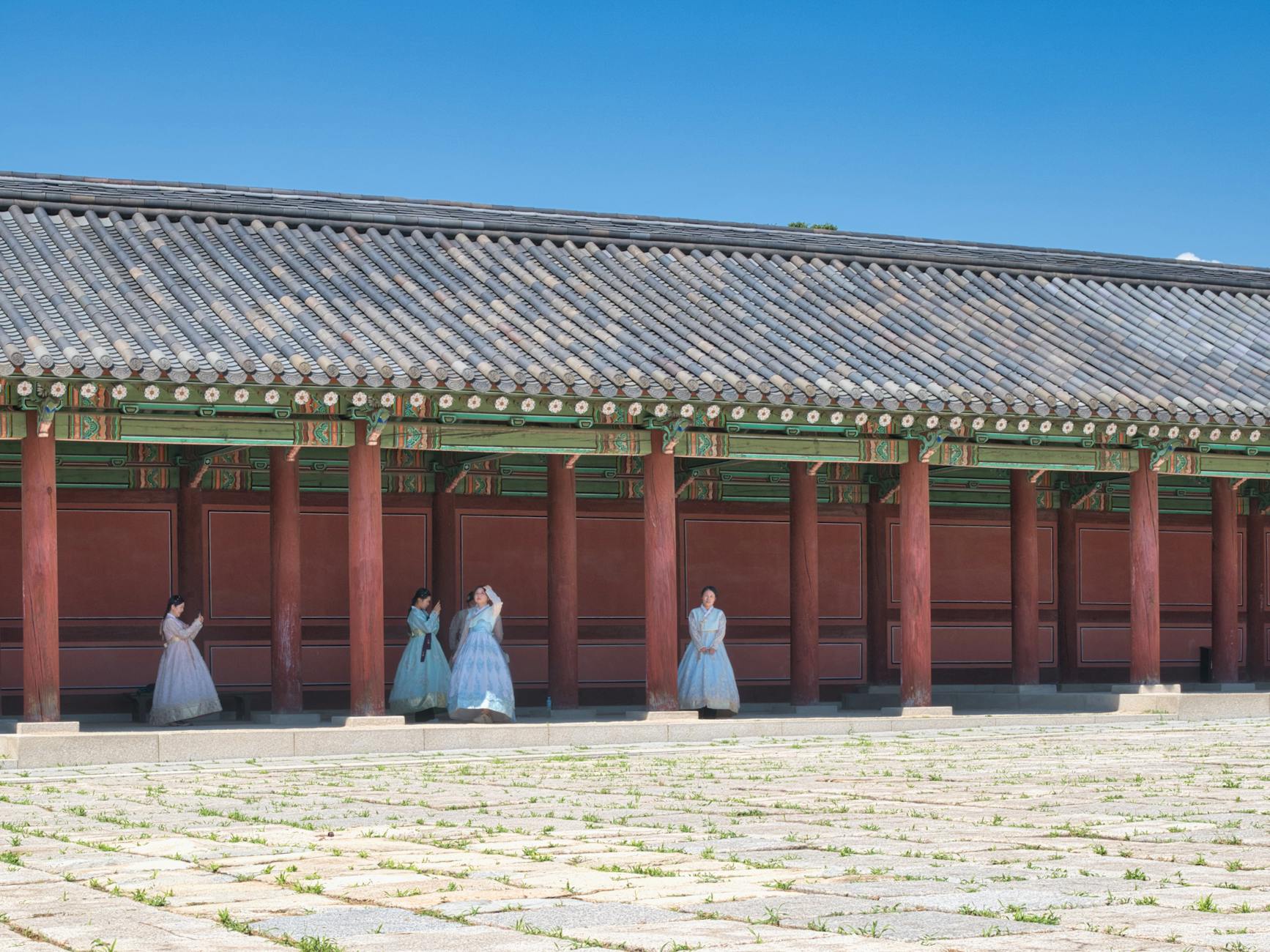
Why the Hanbok Experience in Korea Should Be on Every Traveler’s 2026 Bucket List
The hanbok experience in Korea has become one of the most popular cultural activities for international travelers visiting Seoul and beyond. This traditional Korean garment, with its vibrant colors and elegant flowing lines, offers more than just a photo opportunity—it’s an immersive journey into Korean heritage that connects you with centuries of history. Whether you’re exploring the grand palaces of Seoul, wandering through traditional hanok villages, or simply strolling along Insadong’s cultural streets, wearing a hanbok transforms your Korea travel experience into something truly unforgettable. In this comprehensive hanbok experience in Korea travel guide for 2026, you’ll discover everything from the best rental locations and prices to insider tips that will help you maximize this quintessentially Korean adventure.
The popularity of hanbok rentals has exploded in recent years, with rental shops now offering everything from authentic traditional designs to modern fusion styles that appeal to contemporary tastes. The Korean government actively encourages this cultural experience by offering free palace admission to anyone wearing hanbok, making it both a cultural and economical choice for budget-conscious travelers. As you plan your 2026 Korea trip, understanding the ins and outs of the hanbok experience will ensure you get the most memorable photos and authentic cultural immersion possible.
5 Best Neighborhoods for Hanbok Rental in Seoul 2026
Choosing the right location for your hanbok rental can make or break your experience. Seoul offers several hotspots for hanbok rentals, each with its own advantages depending on your itinerary and photography goals.
- Gyeongbokgung Palace Area (Anguk Station): The most popular location with 50+ rental shops within walking distance of the palace. Prices range from 15,000-35,000 KRW ($11-26 USD) for 2-4 hours. Perfect for first-timers with English-speaking staff and modern fusion hanbok options
- Bukchon Hanok Village: Slightly quieter with 20+ boutique rental shops offering higher-end hanbok (25,000-50,000 KRW / $19-37 USD). Best for couples seeking romantic photo backdrops without palace crowds
- Insadong Street: Cultural district with traditional tea houses and galleries nearby. Mid-range pricing (18,000-30,000 KRW / $13-22 USD) with good selection of accessories and hair styling services included
- Ikseondong Hanok Village: Trendy neighborhood with Instagram-worthy cafes. Newer rental shops offer contemporary fusion hanbok designs (20,000-40,000 KRW / $15-30 USD). Less crowded than Bukchon
- Jeonju Hanok Village (outside Seoul): Korea’s hanbok capital with over 100 rental shops and most competitive prices (10,000-25,000 KRW / $7-19 USD). Authentic traditional atmosphere but requires day trip from Seoul
How Much Does a Hanbok Rental Cost in Korea? Complete 2026 Pricing Guide
Understanding hanbok rental pricing helps you budget appropriately and avoid tourist traps. Prices vary significantly based on location, hanbok quality, rental duration, and included services.
Basic packages (15,000-20,000 KRW / $11-15 USD) typically include standard hanbok rental for 2-3 hours, basic fitting assistance, and small purse or accessory. These work perfectly fine for casual palace visits and photos. Mid-range packages (25,000-35,000 KRW / $19-26 USD) offer better quality fabrics, 4-hour rentals, traditional hair styling with wigs or hair accessories, and wider selection of premium hanbok designs including couple sets. Premium experiences (40,000-100,000 KRW / $30-75 USD) include luxury silk hanbok, professional photography sessions (30-50 edited photos), makeup services, extended 6-8 hour rentals, and sometimes private fitting rooms.
Additional costs to consider: deposits range from 30,000-50,000 KRW ($22-37 USD) refundable upon return; late return fees typically charge 5,000-10,000 KRW ($4-7 USD) per 30 minutes; professional hair styling adds 5,000-15,000 KRW ($4-11 USD); children’s hanbok costs 10,000-15,000 KRW ($7-11 USD); and prop rentals like traditional fans or umbrellas run 2,000-5,000 KRW ($1.50-4 USD) each.
Top 10 Best Photo Spots for Hanbok Photography in Seoul

Wearing hanbok is only half the experience—capturing stunning photos in the right locations creates lasting memories. Here are the most photogenic spots that will make your hanbok photos truly spectacular.
- Gyeongbokgung Palace Main Throne Hall: Iconic backdrop with colorful palace architecture. Arrive at 9 AM opening to avoid crowds. Free admission in hanbok (normally 3,000 KRW)
- Bukchon Hanok Village Viewing Points: Traditional Korean houses create authentic historical atmosphere. Visit morning hours before tour groups arrive (before 10 AM)
- Changdeokgung Palace Secret Garden: UNESCO World Heritage site with stunning natural scenery. Requires timed ticket reservation (15,000 KRW / $11 USD). Most peaceful palace option
- Gwanghwamun Gate Square: Dramatic royal gate with mountain backdrop. Best during sunset golden hour (6-7 PM in summer). Bring wide-angle lens
- Ikseondong Alleyways: Narrow traditional streets with modern cafes. Perfect for candid walking shots. Less touristy than Bukchon
- Jogyesa Temple: Buddhist temple with colorful lanterns (especially beautiful during Buddha’s Birthday in May). Free entry and respectful photos welcome
- Namsangol Hanok Village: Five restored traditional houses with gardens. Fewer crowds than major palaces. Free admission (10 AM-9 PM)
- Deoksugung Palace Stone Wall Path: Romantic tree-lined walkway. Autumn foliage (October-November) creates magical atmosphere. Free palace entry in hanbok
- Ihwa Mural Village: Artistic neighborhood with colorful street art contrasting traditional hanbok. Requires uphill walk—wear comfortable undergarments
- Cheonggyecheon Stream (near Gwangjang Market): Urban stream with modern cityscape. Unique modern-traditional contrast photos. Accessible 24/7
What to Wear Under Your Hanbok: Essential Clothing Tips Nobody Tells You
This is crucial insider information that many first-timers overlook. What you wear underneath your hanbok significantly affects comfort, photos, and your overall experience throughout the day.
For women, wear a seamless tank top or camisole in white, beige, or nude tones—avoid black or colored tops that may show through lighter hanbok fabrics. Sports bras or wire-free bras work best as traditional hanbok tops (jeogori) are fitted. Skip thick sweaters even in winter; hanbok layers provide warmth, and bulky clothing creates unflattering silhouettes. Wear leggings or thin pants underneath the skirt (chima) rather than jeans—you’ll be sitting on the floor at some locations, and hanbok skirts can shift. In summer, moisture-wicking underlayers prevent sweat stains on rental hanbok.
For men, wear a plain t-shirt or undershirt in neutral colors. The hanbok jacket (jeogori) and outer coat (durumagi) provide sufficient warmth. Wear comfortable pants—slim-fit or straight-leg work better than baggy styles under the hanbok pants (baji). Avoid shorts even in summer as some restaurants and tea houses may require proper coverage.
Footwear is critical: rental shops provide traditional shoes (usually uncomfortable rubber versions), but you’ll walk extensively. Bring comfortable sneakers or flats to change into between photo sessions. Many travelers keep their own shoes and just step out of frame for photos. In winter (December-February), bring warm socks—traditional hanbok shoes offer zero insulation. Hand warmers and thin thermal layers underneath are lifesavers for winter hanbok experiences.
How to Choose the Perfect Hanbok Style for Your Body Type and Photos
Not all hanbok are created equal, and selecting the right style, color, and fit dramatically improves both comfort and photo results. Here’s what experienced hanbok renters wish they knew on their first visit.
For women with petite frames, choose hanbok with higher waistlines that elongate legs. Avoid overly voluminous skirts that overwhelm smaller bodies. Pastel colors and delicate patterns create balanced proportions. Women with curvier figures should look for hanbok with structured jeogori (tops) that provide support. Empire waistlines are flattering, and richer jewel tones photograph beautifully. Don’t shy away from bold patterns—they add visual interest.
Color coordination matters more than you think. For couples, choose complementary rather than matching colors—for example, if one wears royal blue, the other could wear coral or yellow. This creates visual harmony without looking costume-like. For group photos with friends, coordinate within the same color family (all pastels or all jewel tones) for cohesive Instagram shots. Consider the season: spring calls for cherry blossom pinks and mint greens, summer suits bright primary colors, autumn looks stunning in burgundy and gold, winter pairs beautifully with deep purples and emerald greens.
Pattern selection impacts photos significantly. Solid colors create timeless, elegant looks that never go out of style. Floral patterns feel romantic and feminine but can look busy in photos if too dense. Geometric patterns (especially on men’s hanbok) photograph well and add contemporary edge. If you’re planning palace photos, remember that palace architecture is already colorful—sometimes simpler hanbok designs let the background shine without competing visually.
Step-by-Step: How to Get from Incheon Airport to Seoul Hanbok Rental Shops

Most international travelers arrive at Incheon International Airport, located about 60 kilometers west of Seoul. Efficiently reaching hanbok rental areas saves time and energy for your cultural experience.
The Airport Railroad Express (AREX) offers the fastest direct route to Seoul Station (43 minutes, 9,000 KRW / $7 USD) with departures every 20-30 minutes from 5:15 AM to 11:15 PM. From Seoul Station, transfer to Line 1 and take it two stops to Jonggak Station for Insadong area, or transfer to Line 3 and go to Anguk Station for Gyeongbokgung Palace area (additional 1,400 KRW / $1 USD). Total journey time: approximately 70 minutes. This is the recommended option for first-time visitors.
Airport Limousine Bus 6011 goes directly to Gwanghwamun area near Gyeongbokgung Palace (70 minutes, 16,000 KRW / $12 USD) with departures every 15-20 minutes. This no-transfer option is ideal if you’re carrying luggage to your hotel first. Request to get off at Gwanghwamun stop—rental shops are within 10-minute walk. Bus 6015 serves Insadong area with similar pricing and frequency.
Budget travelers can take the All-Stop Train (52 minutes to Seoul Station, 4,150 KRW / $3 USD), though you’ll need to transfer to subway lines as described above. Taxis from Incheon to central Seoul cost 60,000-80,000 KRW ($45-60 USD) depending on traffic and destination—only economical if sharing with 3-4 travelers. Avoid rush hours (7:30-9:30 AM and 6-8 PM weekdays) as traffic can double your travel time.
7 Insider Tips for the Best Hanbok Experience in Korea That Locals Know
These expert tips come from Korean friends, experienced travelers, and hanbok rental shop owners who’ve seen thousands of visitors. Following this advice elevates your experience from good to unforgettable.
- Book your hanbok rental online 2-3 days in advance during peak seasons (March-May cherry blossom season, September-November autumn). Walk-in availability is limited, and you’ll waste valuable sightseeing time waiting. Many shops offer 10-20% online booking discounts. Save confirmation emails on your phone for check-in
- Start your hanbok day early—arrive at rental shops by 8:30 AM for 9 AM fitting. This gives you empty palace grounds for photos before 10 AM when tour buses arrive. Morning light is also superior for photography. Return by 6 PM to avoid late fees and evening crowds at rental shops
- The changing of the guard ceremony at Gyeongbokgung Palace (10 AM and 2 PM daily except Tuesdays) offers spectacular photo opportunities. Arrive 20 minutes early to secure a good viewing position. Guards sometimes allow hanbok-wearing visitors to stand nearby for once-in-a-lifetime photos
- Bring a small crossbody bag or backpack for your belongings—traditional hanbok purses provided by rental shops are tiny and only fit a phone. You’ll need space for water, sunscreen, phone charger, and purchased souvenirs. Some rental shops offer free locker service for your extra bags
- Download the Papago or Google Translate app before your hanbok day. While major rental shops have English-speaking staff, smaller boutiques and palace guides may not. The apps translate Korean menus at traditional tea houses where you’ll want to rest in your hanbok
- Plan bathroom breaks strategically—traditional hanbok with multiple layers is complicated to manage. Use facilities before leaving the rental shop and scout bathroom locations at palaces upon arrival. Women should practice sitting and standing in the fitting room before heading out
- If it rains, don’t cancel—some rental shops provide complimentary umbrellas or rain covers. Palace grounds with light rain and fewer tourists offer mysteriously beautiful photo opportunities. Bring ziplock bags to protect your phone and camera. Many shops offer date changes for severe weather
Best Time of Year for Hanbok Experience in Korea: Seasonal Guide 2026
Timing your hanbok experience with Korea’s seasons dramatically impacts both comfort and photo aesthetics. Each season offers unique advantages and challenges to consider when planning your 2026 Korea trip.
Spring (March-May) is peak hanbok season for good reason. Cherry blossoms at Gyeongbokgung Palace (typically early-to-mid April) create fairy-tale backdrops that look professionally staged. Temperatures range from 10-20°C (50-68°F)—comfortable for wearing layers without overheating. Book rentals at least one week in advance during this period. The downside: massive crowds at popular spots, especially weekends. Consider visiting less-famous palaces like Deoksugung for similar blossoms with 70% fewer people.
Summer (June-August) brings challenges and opportunities. Temperatures soar to 25-35°C (77-95°F) with high humidity, making traditional hanbok layers uncomfortable for extended wear. Choose lightweight cotton hanbok and limit outdoor time to early morning (7-10 AM) or evening (5-8 PM). The advantage: extended daylight hours (sunset around 8 PM in July) provide more scheduling flexibility, and lotus flowers bloom at Gyeongbokgung’s ponds in July-August creating stunning aquatic backdrops.
Autumn (September-November) rivals spring as the best hanbok season. Fall foliage peaks in late October to early November, painting palace grounds in spectacular reds, oranges, and yellows. Temperatures (10-20°C / 50-68°F) are perfect for layered hanbok. Crowds are moderate—less than spring but more than winter. This is the sweet spot for both comfort and aesthetics. Book 3-4 days ahead during November weekends.
Winter (December-February) is the secret weapon for serious photographers. Snow-covered palace roofs and empty courtyards (most tourists avoid cold weather) create exclusive, magical photo opportunities. Rental shops are rarely crowded, offering better service and hanbok selection. Temperatures drop to -10 to 5°C (14-41°F), so thermal underwear underneath is essential. Some rental shops provide fur stoles or padded hanbok for winter. The Golden Pond (Gyeonghoeru Pavilion) at Gyeongbokgung partially freezes, creating unique reflections. Major downside: short daylight hours (sunset by 5:30 PM) require early starts.
What’s Included vs. What Costs Extra: Hidden Hanbok Rental Fees to Watch For

Transparent pricing understanding prevents surprise charges and helps you budget accurately. Here’s the complete breakdown of what’s typically included in standard rentals versus additional costs.
Standard packages almost always include: hanbok outfit (jeogori top and chima skirt for women; jeogori and baji pants for men), basic fitting assistance, traditional hanbok purse or pouch, storage for one small bag during rental period, and basic accessories like norigae (decorative ornament). Most reputable shops also include free damage protection for normal wear and tear—minor stains or small tears are covered.
Extra charges commonly apply for: hair styling services (5,000-15,000 KRW / $4-11 USD depending on complexity—simple braids vs. elaborate updos with wigs), makeup application (15,000-30,000 KRW / $11-22 USD for full face), premium hanbok made from silk or with intricate embroidery (10,000-30,000 KRW / $7-22 USD upgrade fee), extended rental time beyond standard 2-4 hours (5,000-10,000 KRW / $4-7 USD per extra hour), couple or group photography packages (30,000-100,000 KRW / $22-75 USD for 30-50 edited photos with professional photographer), and additional accessories like traditional hats (gat for men, jokduri for women), fans, or umbrellas (2,000-5,000 KRW / $1.50-4 USD each).
Watch out for these potential hidden costs: shoe rental may not be included at budget shops (3,000-5,000 KRW / $2-4 USD)—always ask upfront. Deposits are standard (30,000-50,000 KRW / $22-37 USD) but occasionally shops claim minor issues to keep deposits—photograph yourself in the hanbok before leaving to document its condition. Late return fees escalate quickly—some shops charge 10,000 KRW ($7 USD) per 30 minutes after your designated return time, potentially doubling your total cost. Damage fees for significant stains (makeup, food, dirt) can reach 50,000-100,000 KRW ($37-75 USD) depending on cleaning difficulty.
Can You Rent Hanbok for Multiple Days? Long-Term Rental Options Explained
While most tourists opt for single-day rentals, multi-day hanbok experiences are increasingly popular for travelers wanting to explore beyond Seoul’s palaces or attending special events.
Multi-day rentals (24-72 hours) are offered by approximately 30% of Seoul rental shops, primarily targeting travelers visiting multiple cities or attending Korean weddings. Pricing typically follows a degressive structure: Day 1 costs the standard rate (25,000-35,000 KRW / $19-26 USD), Day 2 adds 50% of the daily rate (12,000-17,000 KRW / $9-13 USD), Day 3 and beyond add 40% per day. A 48-hour rental averages 40,000-50,000 KRW ($30-37 USD) total—significant savings versus booking two separate daily rentals.
This option makes sense for specific scenarios: traveling to Jeonju Hanok Village (3 hours from Seoul by train) and wanting to spend a full day there in hanbok; attending a traditional Korean wedding as a guest (hanbok is appropriate formal attire); participating in Korean cultural workshops like tea ceremony or traditional crafts that span multiple days; or creating content for travel vlogs/blogs requiring hanbok shots in diverse locations.
Important considerations for multi-day rentals: deposits increase substantially (50,000-100,000 KRW / $37-75 USD) to protect against extended rental risks. You’re responsible for the hanbok’s condition across multiple days and locations—any damage, stains, or loss results in full replacement costs. Storage becomes your responsibility—hanbok should be hung properly, kept away from food and drinks, and protected from rain. Some shops require your passport as collateral for rentals exceeding 24 hours. Return timing is strict—if your train from Jeonju is delayed, you still pay late fees.
Traditional vs. Fusion Hanbok: Which Style Should You Choose in 2026?
The hanbok rental industry has evolved dramatically, now offering both authentic traditional designs and contemporary fusion styles. Understanding the differences helps you select the style that best matches your preferences and itinerary.
Traditional hanbok (전통한복) maintains historical accuracy with design elements dating back to the Joseon Dynasty (1392-1897). Women’s traditional hanbok features a short jeogori (jacket) that barely reaches the chest, paired with a voluminous high-waisted chima (skirt) that reaches the ankles. Sleeves are wide and curved, colors follow historical conventions (pastels for young unmarried women, deeper tones for married women), and decorative norigae ornaments hang from the jacket ties. Men’s traditional hanbok includes a jeogori, loose baji (pants), and sometimes a durumagi (overcoat). These authentic styles photograph beautifully at historical sites and show respect for Korean cultural heritage. They’re also required if you want free palace admission—some palaces scrutinize fusion hanbok and may not honor the free entry policy.
Fusion hanbok (개량한복) or reformed hanbok blend traditional silhouettes with modern fashion elements. These might include non-traditional colors (black, navy, mint), contemporary patterns (stripes, geometric designs), Western-style cuts (shorter skirts, fitted sleeves, exposed shoulders), modern fabrics (chiffon, lace, denim), and trendy accessories (sneakers, leather belts, contemporary jewelry). Fusion hanbok gained popularity through K-dramas and K-pop idols wearing modernized versions. They’re generally more comfortable for extended wear and walking, allow greater freedom of movement, and appeal to fashion-forward travelers wanting Instagram-worthy shots that blend traditional and contemporary aesthetics.
Which should you choose? Select traditional hanbok if you’re primarily visiting palaces and historical sites, want free palace admission, appreciate historical accuracy and cultural authenticity, are creating educational or cultural content, or attending formal events like traditional weddings. Choose fusion hanbok if you’re exploring modern neighborhoods like Gangnam or Itaewon in hanbok, prioritize comfort and mobility for extensive walking, want to visit contemporary cafes and restaurants in hanbok (fusion styles feel less costume-like in modern settings), or are focused on fashion photography rather than cultural immersion. Many experienced travelers rent both—traditional for morning palace visits, fusion for afternoon cafe hopping and shopping in trendy neighborhoods.
Hanbok Etiquette: 5 Cultural Rules Every Foreign Visitor Should Know
Wearing hanbok comes with cultural responsibilities. Following these etiquette guidelines shows respect for Korean culture and ensures you’re welcomed warmly by locals who appreciate your cultural interest.
- Don’t wear hanbok to inappropriate venues: While palaces, hanok villages, traditional tea houses, and cultural sites welcome hanbok, avoid wearing it to nightclubs, bars, or overly casual settings like fast-food restaurants. This is considered disrespectful—equivalent to wearing a Halloween costume. Korean friends report that hanbok at inappropriate venues feels like cultural appropriation rather than appreciation
- Practice modest behavior in traditional areas: When wearing hanbok in temples or formal locations, maintain dignified posture and movements. Avoid loud conversations, excessive laughing, or overly casual behavior. Koreans view hanbok as formal attire deserving respectful conduct. Don’t sit on the ground carelessly—use the proper sitting position (kneeling with legs folded underneath) when on traditional floors
- Be mindful during photography in busy tourist areas: Bukchon Hanok Village is an actual residential neighborhood where people live. Residents have posted signs asking tourists to keep noise down and respect private property. Don’t enter residents’ yards for photos, don’t touch or lean on private walls or gates, keep conversations at moderate volume before 9 AM and after 6 PM, and follow marked pathways rather than wandering through residential areas
- Respect temple and palace rules while in hanbok: Free admission in hanbok doesn’t exempt you from site rules. Don’t touch artifacts, don’t climb on structures for photos, stay on designated paths, and never touch or sit on throne replicas or ceremonial objects even if they appear accessible. Temple rules typically prohibit revealing clothing—if wearing fusion hanbok with exposed shoulders, bring a scarf to cover up before entering temple buildings
- Handle rental hanbok with care as a borrowed cultural treasure: Treat the hanbok respectfully—avoid eating messy foods, keep it away from makeup and cosmetics that could stain, don’t drag the skirt on the ground, and hang it properly if you remove it temporarily. When interacting with locals, many elderly Koreans feel touched seeing foreigners appreciating their traditional clothing—a simple thank you or compliment about Korean culture in basic Korean (“한복이 너무 예뻐요” – hanbok-i neomu yeppeoyo – ‘hanbok is so beautiful’) creates wonderful cultural exchanges
Frequently Asked Questions (FAQ): Hanbok Experience in Korea 2026
Is it cultural appropriation for foreigners to wear hanbok in Korea?
No—Koreans generally welcome and encourage foreigners to wear hanbok as a sign of cultural appreciation and interest in Korean heritage. Unlike some other cultural garments, hanbok doesn’t carry religious significance, and the Korean government actively promotes hanbok experiences for tourists through free palace admission policies. However, context matters: wearing hanbok respectfully at cultural sites, palaces, and traditional neighborhoods is celebrated; wearing it mockingly or at inappropriate venues (clubs, bars) would be disrespectful. Most Koreans feel proud and happy seeing visitors appreciate their traditional clothing, often offering compliments and photography help.
How long does it take to put on a hanbok at rental shops?
Expect 15-30 minutes for the complete fitting process. Women’s hanbok takes slightly longer (20-30 minutes) due to the multiple layers, skirt wrapping, and accessories. Men’s hanbok is simpler (10-15 minutes). Additional time needed if you add hair styling (20-30 minutes) or makeup (30-45 minutes). Most rental shops operate efficiently, but during peak hours (9-11 AM weekends in spring/autumn), you may wait 10-20 minutes for your turn. This is why morning reservations and arriving at opening time are recommended. Budget at least 45-60 minutes total from arrival to walking out ready for photos.
Can I wear hanbok in the rain or snow?
Yes, but with precautions. Many rental shops provide plastic rain covers or umbrellas for unexpected weather. Light rain or snow actually creates atmospheric photos with fewer tourists. However, you’re responsible for the hanbok’s condition—excessive water damage may incur cleaning fees (20,000-50,000 KRW / $15-37 USD). In moderate to heavy rain, consider postponing or asking your rental shop about waterproof options. Snow is generally safer than rain as it brushes off easily. Bring waterproof bags for your electronics, and watch for slippery surfaces—traditional hanbok shoes have minimal traction.
Do children and families get discounts on hanbok rentals?
Yes, children’s hanbok costs significantly less than adult sizes. Children aged 3-12 typically pay 10,000-15,000 KRW ($7-11 USD) compared to adult prices of 20,000-35,000 KRW ($15-26 USD). Many shops offer family packages: two adults + one child for approximately 45,000-55,000 KRW ($33-41 USD), or two adults + two children for 55,000-70,000 KRW ($41-52 USD)—roughly 20-30% savings versus individual rentals. Toddlers under 3 often rent free or for minimal charges (5,000 KRW / $4 USD). Family hanbok photos at palaces are incredibly popular and create cherished memories.
What happens if I return the hanbok late?
Late fees are strictly enforced at most rental shops due to scheduling—your hanbok is likely reserved for the next customer. Typical late fees are 5,000-10,000 KRW ($4-7 USD) per 30 minutes after your designated return time. If you’re more than 2 hours late without calling, some shops charge the full daily rate again. Always get the shop’s phone number and your rental agreement showing return time. If you realize you’ll be late, call immediately—many shops offer 30-minute grace periods if notified in advance. Late returns during peak season are charged more strictly than off-season weekday afternoons when rental demand is lower.
Can I wash or eat while wearing rental hanbok?
Avoid eating messy foods—you’re liable for stains that require professional cleaning (20,000-50,000 KRW / $15-37 USD depending on severity). Stick to non-staining items like rice cakes, bread, or carefully eaten wrapped foods. Many travelers bring straws for drinks to avoid makeup smudges and spills. Traditional Korean tea houses are safe bets—tea and simple desserts carry low stain risk. Absolutely avoid: coffee, red sauces (gochujang, tomato), greasy foods (Korean fried chicken, tteokbokki), and anything with turmeric or curry. If you want a full meal, many experienced hanbok renters eat before putting on hanbok or after returning it. Never attempt to wash rental hanbok yourself—notify the shop of any stains immediately upon return.
Is hanbok rental worth it if I’m only visiting Seoul for 2-3 days?
Absolutely yes—hanbok experience is consistently rated as one of the most memorable activities by Seoul visitors, even on short trips. You only need 4-6 hours for a fulfilling hanbok day: 2-3 hours at one major palace plus time for tea house visit and neighborhood exploration. Many travelers prioritize hanbok on their first or second day, using it as an introduction to Korean culture while visiting must-see palaces anyway. The free palace admission (saving 3,000 KRW / $2 USD per palace) partially offsets rental costs. If extremely time-constrained, book early morning (8:30 AM fitting) and maximize 3-4 hours at Gyeongbokgung Palace and Bukchon before returning by noon—this still leaves your afternoon free for other Seoul activities.
Can I rent hanbok in Korean cities outside of Seoul?
Yes, major Korean cities offer hanbok rentals with varying selection and pricing. Busan has 15-20 rental shops concentrated around Gamcheon Culture Village and Haedong Yonggungsa Temple (similar pricing to Seoul: 20,000-30,000 KRW / $15-22 USD). Gyeongju, Korea’s ancient capital, offers hanbok rentals near historical sites like Bulguksa Temple and Daereungwon Tomb Complex (18,000-28,000 KRW / $13-21 USD). Jeonju is Korea’s hanbok capital with over 100 rental shops in the Hanok Village offering the country’s lowest prices (10,000-25,000 KRW / $7-19 USD) and highest quality options. Even smaller cities like Andong (traditional village famous for Hahoe Folk Village) have hanbok rentals. The advantage outside Seoul: fewer tourists, more authentic local experiences, and often more personalized service from rental shop owners.
Are plus-size hanbok options available for larger Western body types?
Availability varies significantly by shop. Traditional Korean body sizes tend smaller than Western averages, and many shops stock limited plus-size inventory. However, the hanbok rental industry has adapted—approximately 40-50% of Seoul rental shops now advertise plus-size options (typically fitting up to US size 18-20 / UK size 22-24 / EU size 48-50). When booking online, look for shops specifically mentioning “large sizes” or “big sizes” (빅사이즈) in descriptions. Call ahead or send a message with your measurements (chest, waist, height) to confirm availability—most shops have English-speaking staff or use translation apps. Areas like Insadong and Anguk have the highest concentration of inclusive-size shops. Fusion hanbok generally offers more flexible sizing than traditional styles due to adjustable ties and contemporary cuts. Some travelers have custom hanbok made (100,000-300,000 KRW / $75-225 USD) at fabric markets like Dongdaemun if planning extended stays.
답글 남기기